Share This Story, Choose Your Platform!
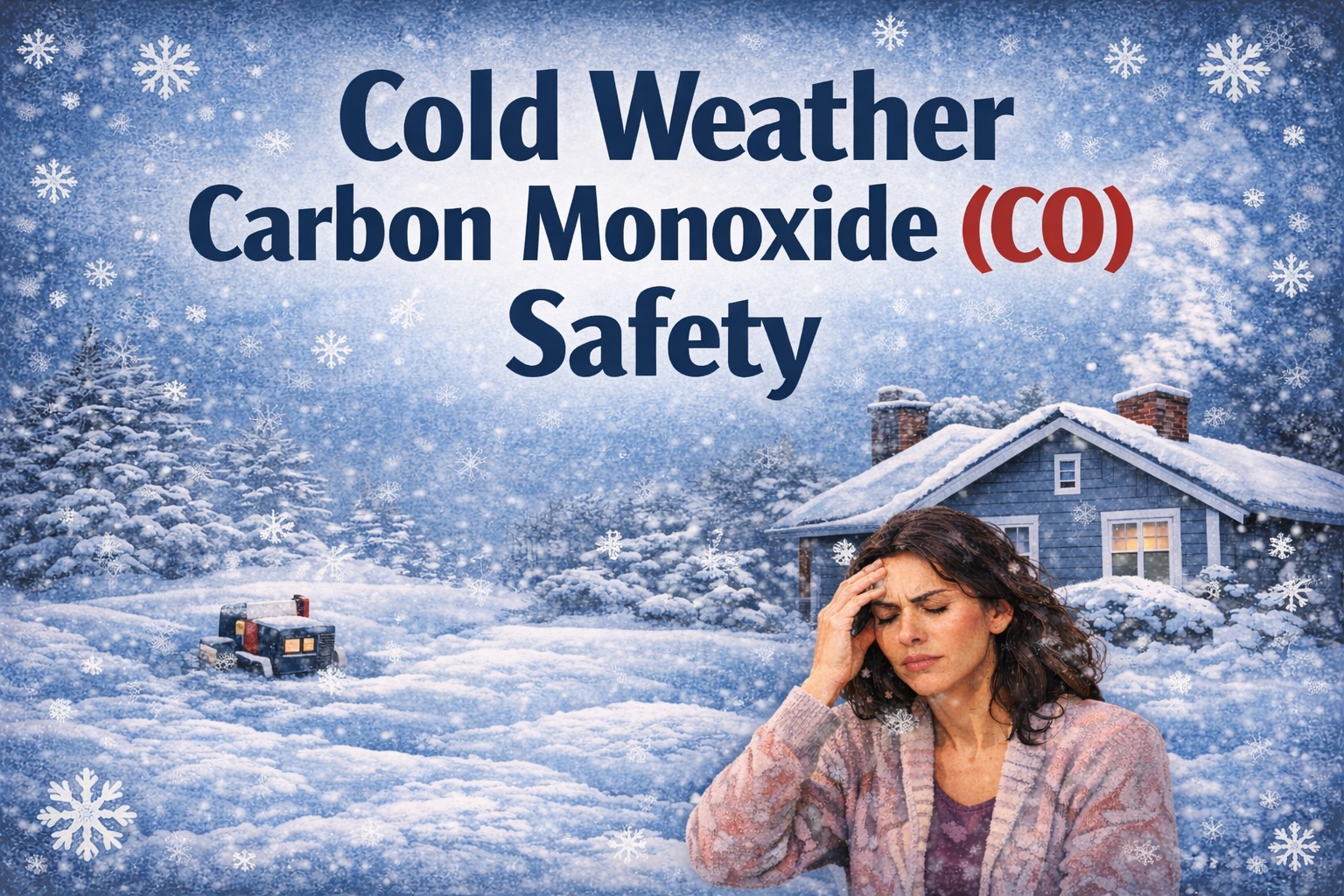
When temperatures drop and heating systems work overtime, the risk of carbon monoxide (CO) exposure increases. Carbon monoxide is an invisible, odorless gas that can be deadly if it builds up inside a home or building. Taking a few simple precautions can help keep you and your family safe during cold weather.
Why Cold Weather Increases CO Risk
-
Furnaces, boilers, and space heaters run longer and harder
-
Homes are sealed tightly to keep heat in, trapping gases
-
Snow and ice can block vents, chimneys, and exhaust pipes
-
Improper use of alternative heating sources during power outages
Important CO Safety Tips
✔ Install CO Alarms
-
Place carbon monoxide alarms on every level of your home and near sleeping areas
-
Test alarms monthly and replace batteries as needed
-
Replace alarms according to the manufacturer’s recommendations
✔ Keep Heating Equipment Maintained
-
Have furnaces, boilers, and water heaters inspected annually by a qualified professional
-
Keep vents, flues, and chimneys clear of snow, ice, and debris
-
Never operate heating equipment that is damaged or malfunctioning
✔ Use Heating Sources Safely
-
Never use ovens, stovetops, or grills to heat your home
-
Do not use propane heaters, charcoal grills, or generators indoors or in garages
-
Only use space heaters approved for indoor use, and keep them away from combustible materials
✔ Protect Your Home
-
Never run vehicles, snowblowers, or generators inside garages—even with doors open
-
Keep garage doors closed when vehicles are not in use
-
Ensure exhaust pipes are clear after heavy snowfall
Know the Warning Signs of CO Exposure
Carbon monoxide poisoning symptoms can include:
-
Headache
-
Dizziness
-
Nausea or vomiting
-
Fatigue or confusion
If a CO alarm sounds or you suspect carbon monoxide exposure:
-
Get everyone outside to fresh air immediately
-
Call 911 or your local fire department from a safe location
-
Do not re-enter the building until it has been checked
Stay Warm. Stay Safe.
Cold weather brings unique hazards, but CO poisoning is preventable. Taking these precautions now can protect lives all winter long.
For more safety information, visit stamfordfire.com or follow the Stamford Fire Department on social media.